Home Care Providers and NDIS Support Coordinators: How to Maximize Your In Home Care Experience
Wiki Article
The Expanding Need for In Home Treatment Givers: Factors Family Members Choose Expert Treatment Over Typical Facilities
The increasing preference for at home caretakers over typical centers is a substantial fad improving the landscape of senior treatment. Families are attracted to the benefits of personalized treatment that lines up with private needs and preferences, allowing seniors to keep a feeling of autonomy in a familiar environment. This change additionally highlights the economic and emotional considerations that affect decision-making. As we discover the myriad elements adding to this expanding demand, the effects for both caretakers and households come to be progressively apparent. What does this mean for the future of caregiving?Customization of Care
Personalization of care in home caregiving is important for meeting the special requirements of each person (home care providers). This strategy makes sure that care strategies are tailored to the particular needs of the individual, considering their clinical history, personal choices, and way of life. By concentrating on the individual's special situations, caretakers can foster a feeling of self-respect and autonomy, which is commonly lacking in more institutionalized setups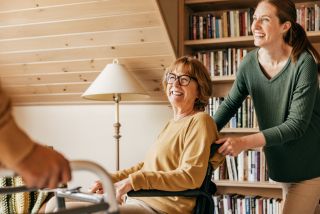
Home caregiving enables for continual monitoring and alteration of treatment strategies, ensuring that changes in health status or individual preferences are immediately attended to. Eventually, individualized treatment in home settings significantly adds to the general wellness of clients, making it an important element of modern-day caregiving methods.
Convenience of Home Environment
The convenience of a home environment plays an important duty in the performance of home caregiving. Several people, especially senior citizens, experience heightened tension and stress and anxiety when placed in strange setups such as standard care facilities. Home caregiving supplies an acquainted environment, full of individual belongings, cherished memories, and the complacency that comes from remaining in one's very own room. This experience can significantly improve psychological well-being, which is crucial for healing and overall health.Additionally, the home environment permits for a tailored technique to caregiving, accommodating individual choices and routines. Households can develop an ambience that shows their enjoyed one's way of life, making certain that treatment is delivered in a way that really feels comfortable and all-natural. This individualized setup encourages far better communication and interaction in between caregivers and customers, promoting count on and rapport crucial for reliable treatment.
Furthermore, the comfort of home can promote social connections, as relative and buddies can see extra easily, offering critical emotional assistance. ndis support coordinator. Overall, the home atmosphere not just aids to keep self-respect and autonomy however additionally adds to a higher top quality of treatment, making it a preferred choice for households looking for specialist caregiving remedies
Improved Freedom for Seniors
Home caregiving not only gives convenience but likewise advertises boosted independence for senior citizens. Unlike typical centers, in-home care enables senior citizens to preserve their day-to-day routines and participate in familiar activities within their very own setting. This freedom is crucial for their emotional wellness and general lifestyle.
Additionally, in-home caregivers can adjust their solutions to provide specifically to the one-of-a-kind needs of each senior, promoting a higher feeling of control. This adaptability guarantees that senior citizens can enjoy their pastimes, fraternize friends and family, and stay energetic in their communities, even more boosting their sense of freedom.
Ultimately, at home caregiving not just addresses the physical needs of senior citizens but also equips them to lead meeting lives, making it an increasingly popular option for site link households seeking the ideal treatment remedies for their liked ones.
Cost-Effectiveness of In-Home Treatment
At home treatment offers an affordable alternative to traditional nursing facilities, permitting households to provide high quality support for their enjoyed ones without incurring exorbitant expenditures. The expenses associated with nursing homes can be overwhelming, typically exceeding $100,000 annually, which can drain pipes financial resources promptly. In comparison, at home treatment services usually charge on a per hour or per-visit basis, allowing households to customize care plans according to their budget and specific needs.In addition, in-home treatment eliminates added expenses linked with facility living, you can look here such as transportation, board and room, and various management charges. Families can select to engage caretakers only when essential, possibly reducing overall expenses. A significant benefit of in-home treatment is the capacity to keep personal routines, which can add to much better psychological health and decrease the demand for pricey medical treatments arising from sudden way of life changes.
Insurance policy insurance coverage, including lasting treatment insurance policy, frequently extends to in-home care solutions, further improving financial accessibility (home care providers). On the whole, the cost-effectiveness of at home care not only alleviates the economic concern on families but likewise advertises a much more tailored approach to care that straightens with private choices and demands
Structure Stronger Family Connections
Offering care in a familiar setting promotes much deeper family connections, enabling enjoyed ones to proactively take part in the caregiving procedure. In-home treatment produces possibilities for families to involve meaningfully with their disabled or senior family members, advertising psychological bonds that can be tough to accomplish in institutional setups. The existence of professional caretakers makes it possible for member of the family to concentrate on their relational duties instead of being strained by the physical demands of treatment.In addition, at home treatment enables family members to keep their treasured regimens, which can diminish feelings of anxiety and disorientation typically connected with relocation to care centers. Shared meals, acquainted surroundings, and the convenience of home supply a feeling of stability that enhances health and fosters open communication.
Family members can collaborate with caretakers to create individualized treatment strategies that show the individual choices and needs of their liked ones. This joint technique not only equips the elderly but additionally enhances the family, as participants share responsibilities and sustain each other via tough times. Inevitably, in-home care grows a caring setting where partnerships can prosper, boosting the top quality of life for both caretakers and receivers.
Conclusion
The boosting preference for in-home caregivers highlights a significant change in how family members approach elderly care. more information Individualized treatment plans, the comfort of familiar environments, enhanced freedom for seniors, and cost-effectiveness jointly add to this trend. Additionally, the participation of household participants in the caregiving process promotes stronger links and assistance networks. As these aspects line up, in-home treatment becomes an engaging alternative to typical facilities, inevitably promoting the wellness and lifestyle for senior citizens.
Households are attracted to the benefits of personalized treatment that straightens with individual requirements and choices, permitting seniors to maintain a sense of freedom in an acquainted environment.In-home care supplies an affordable option to typical nursing facilities, allowing households to give top quality support for their loved ones without incurring outrageous expenditures. In contrast, in-home care services usually bill on a per-visit or per hour basis, making it possible for families to tailor treatment plans according to their budget and details demands.
In-home treatment produces chances for households to involve meaningfully with their impaired or senior loved ones, advertising psychological bonds that can be hard to achieve in institutional settings.The boosting preference for in-home caregivers highlights a substantial change in exactly how households approach senior treatment.
Report this wiki page